


Blog
Beyond Pretty Walls: Attractive Interior Designing Ideas That Make Your Home Truly Yours

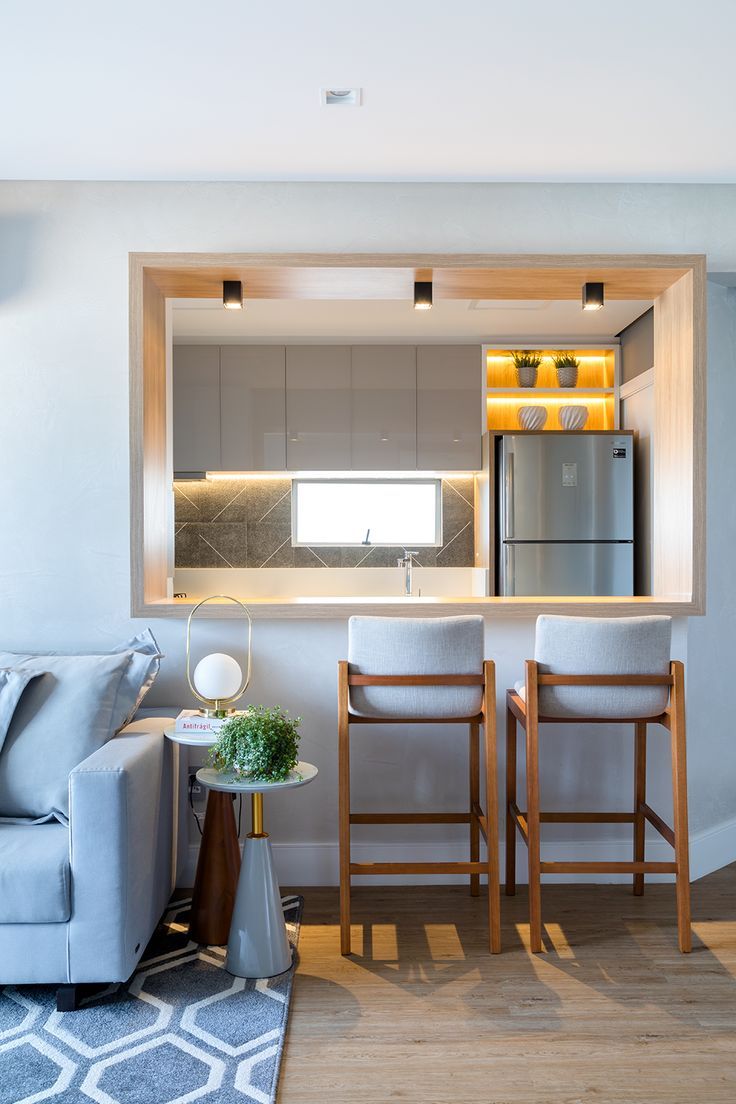
Interior design is no longer just about picking the right paint or placing furniture neatly—it’s about crafting spaces that reflect your personality, support your lifestyle, and make you feel good every time you walk through the door. Whether you live in a city studio or a spacious bungalow, the right attractive interior designing idea can completely change the energy of your space.
This blog dives deep into how thoughtful interior design brings life, functionality, and purpose to any room. We’ll explore innovative ideas that are both practical and stunning, designed to spread awareness of how interior design can elevate even the most ordinary corners of your home.
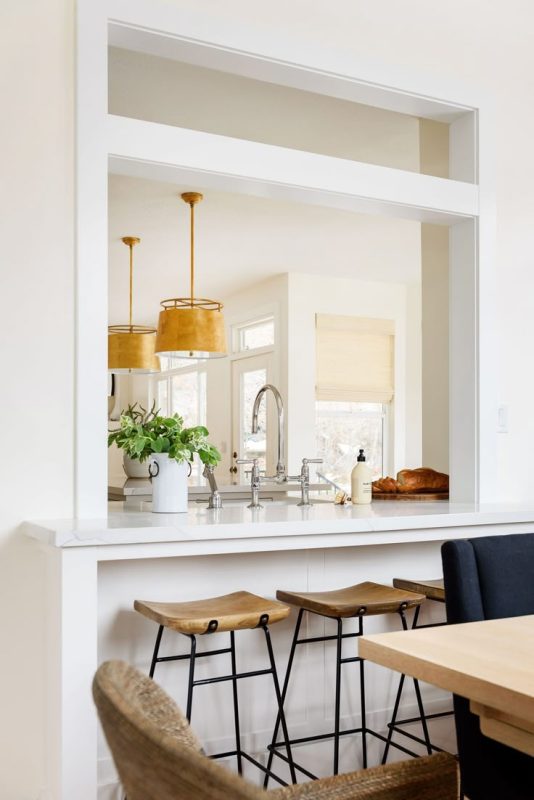
The Power of Personal Space Design
The space around us affects how we feel, think, and live. Yet many people settle for “functional” instead of inspiring. But here’s the thing: you don’t need a massive budget or a celebrity designer to turn your home into a place you love.
Design starts with understanding how you live and what makes you feel “at home.” A good designer—or a well-researched homeowner—uses every element intentionally. From furniture layout to lighting temperature, every choice works together to create a seamless experience. And that’s where an attractive interior designing idea becomes more than just pretty—it becomes personal.
Open Space, Open Mind
One of the most popular design shifts in recent years is the move toward open-plan interiors for modern homes. Gone are the days of boxed-in rooms and visual clutter. Instead, open layouts encourage flow, both physically and emotionally. You feel freer, your rooms feel bigger, and your lifestyle becomes more connected.
To achieve this, designers knock down unnecessary walls, use consistent flooring throughout the space, and carefully place furniture to define “zones” without creating barriers. A central rug might define the living room, while pendant lighting subtly marks the dining area. These small, intentional touches open up more than just space—they open up possibility.
Natural Elements = Natural Calm
Biophilic design—bringing nature indoors—is more than a trend; it’s a health-centered approach to interior design. Whether it’s sunlight, natural textures, or actual plants, these elements help reduce stress and create a sense of peace.
By using eco-friendly interior design ideas for healthier living, homeowners can enjoy better indoor air quality, more daylight, and a closer connection to the natural world—all while being sustainable. Think bamboo furniture, jute rugs, terracotta pots, and soft cotton linens. Not only do they look beautiful, but they feel good to use.
Even small changes—like hanging a few potted plants or using earthy paint tones—can create a dramatic improvement in how your space feels.
The Magic of Layered Lighting
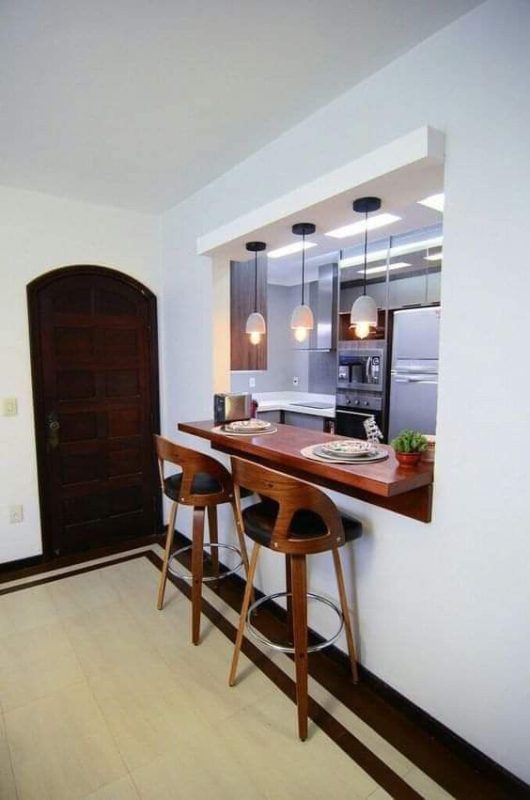
Lighting is one of the most underrated tools in interior design. A well-lit room can feel warm, expansive, and inviting, while poor lighting can make even a well-designed room feel dull or cramped.
That’s why many designers focus on layered lighting techniques for cozy interiors. The idea is simple: mix different types of lighting (ambient, task, and accent) to create depth and flexibility. Overhead chandeliers set the mood, desk or floor lamps provide function, and subtle LED strips under cabinets add sophistication.
With layered lighting, your room can be anything—bright and energizing in the morning, calm and cozy by night.
Make a Statement with Texture and Contrast
Sometimes, it’s not about color—it’s about contrast. Texture and material contrast can elevate a room’s visual interest and tactile appeal. For example, pairing smooth marble countertops with raw wood cabinets, or mixing velvet cushions with metal decor.
An attractive interior designing idea often includes these kinds of playful, intentional contrasts. It’s what makes a space feel curated rather than copied from a catalog.
Wall treatments like exposed brick, wood panels, or 3D tiles also add texture and can be powerful design statements. In fact, many designers incorporate statement wall textures in minimalist spaces to add warmth and keep things visually interesting without overwhelming the senses.
Interior Design That Evolves With You
Design isn’t static. Your space should adapt as your life changes—whether you’re starting a family, working from home, or embracing a new hobby. The best designers plan for flexibility.
By using modular interior furniture for flexible spaces, you can transform a guest room into a home office, or shift your living room layout with ease when hosting guests. Foldable desks, convertible sofas, and rolling carts are smart, stylish solutions that let your home change with you—not against you.
This kind of flexible design is especially important in urban living, where maximizing square footage is crucial.
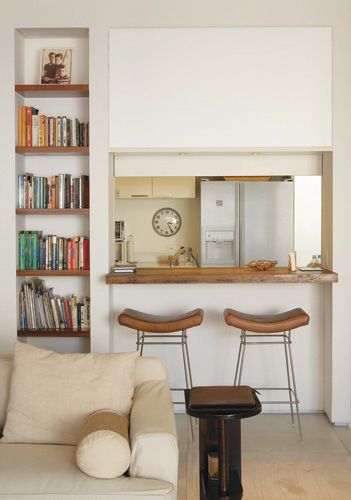
Express Yourself Through Your Space
At the end of the day, your home should reflect you. It should feel like your sanctuary, your creative canvas, and your comfort zone—all at once.
Whether you love bold colors or neutral tones, vintage vibes or modern minimalism, there’s always a way to bring your personal style into the space through décor, art, fabrics, and layout.
Don’t be afraid to explore personalized decor styles for expressive interiors. Gallery walls with your favorite photographs, bookshelves filled with meaningful reads, or even a bold wallpaper that says “this is my space”—all these details contribute to a home that feels like it belongs to you and no one else.
Final Thoughts: Awareness Is the First Step to a Better Space
Interior design isn’t about perfection. It’s about purpose. And once you understand that, you unlock the ability to design your space with confidence.
So whether you’re investing in a full home makeover or simply rearranging a corner of your bedroom, remember: every great design starts with awareness. Awareness of your needs, your habits, your tastes—and how the space around you can support them.
Start with one attractive interior designing idea, and let it guide the rest. Because when your space feels right, everything else starts falling into place.
A truly inspiring interior isn’t just visually appealing—it supports your daily rituals, boosts your productivity, and enhances your well-being. From the moment you wake up to the time you wind down, the design around you plays a quiet yet powerful role in shaping your mood and energy. That’s why integrating even one attractive interior designing idea—like a morning sunlight nook with layered curtains, a soothing paint palette in your bedroom, or a clutter-free modular workspace—can make a significant difference. Interior design, at its best, helps you live with more intention and joy, proving that beautiful spaces are not just for admiration—they’re for living well.